



Building a sales or marketing funnel from scratch can feel overwhelming.
You have to figure out where your audience spends their time, what grabs their attention, and how to convert them into paying customers.
Trials and errors can cost you a lot of money.
What if you could skip all that guesswork? What if you could avoid the trial and error and skip to the profitable part?
That’s where funnel hacking comes in. It’s a smarter, faster way to learn from what’s already working for your competitors.
By studying successful businesses and adapting their strategies to your own, you save time, avoid costly mistakes, and get faster results.
In this guide, we’ll cover:
- What is funnel hacking?
- How to hack funnels step by step.
- The dos and don’ts of funnel hacking.
Stick with us, and you’ll be ready to create funnels that work!
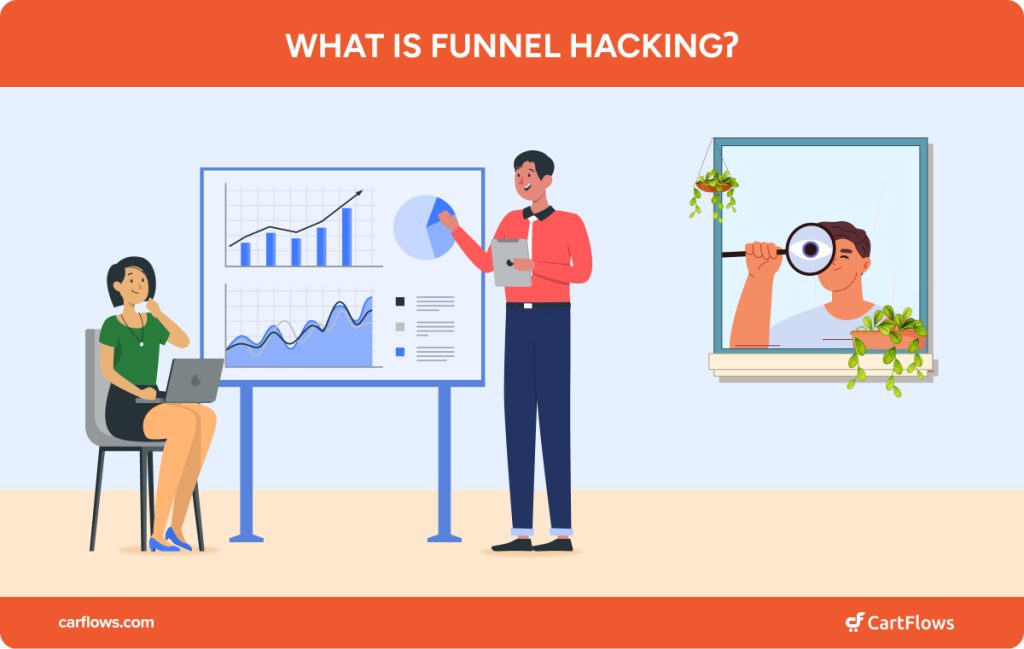
What Is Funnel Hacking?
Imagine you have a cousin who always performs exceptionally well in their exams. You admire their success and wonder what their secret is.
So you start observing them – what time they study, how they take notes, and which resources they use – maybe they swear by Exam Labs for practice tests and study materials.
So you start observing them – what time they study, how they take notes, and which resources they use.
You don’t copy them exactly, but you tweak their routine to fit your own style.
Before you know it, your grades improve too.
That’s how funnel hacking works.
You analyze what your competitors are doing – their website design, pricing, email campaigns, or ads – and use those insights to craft a better, more personalized strategy for yourself.
The goal isn’t to copy but to model their success while tailoring it to your audience.
It’s like borrowing your cousin’s study techniques to ace your exams, but for business.
You can skip the trial-and-error phase by learning directly from the best. You save time, cut costs, and gain a head start in building funnels that deliver results.
Ready to see how it works?
What Is a Sales Funnel and How Does It Work?
Let’s say you’ve started your dream online store selling organic beauty products.
You’ve poured your heart into curating the best natural skincare items, but there’s one problem.
It’s like you’ve set up shop in the middle of nowhere. No signs, no visitors.
Even if your products are amazing, how will people find you, let alone buy anything?
That’s where sales funnels come in.
Think of them as friendly guides leading potential customers step by step, from discovering your brand to making a purchase.
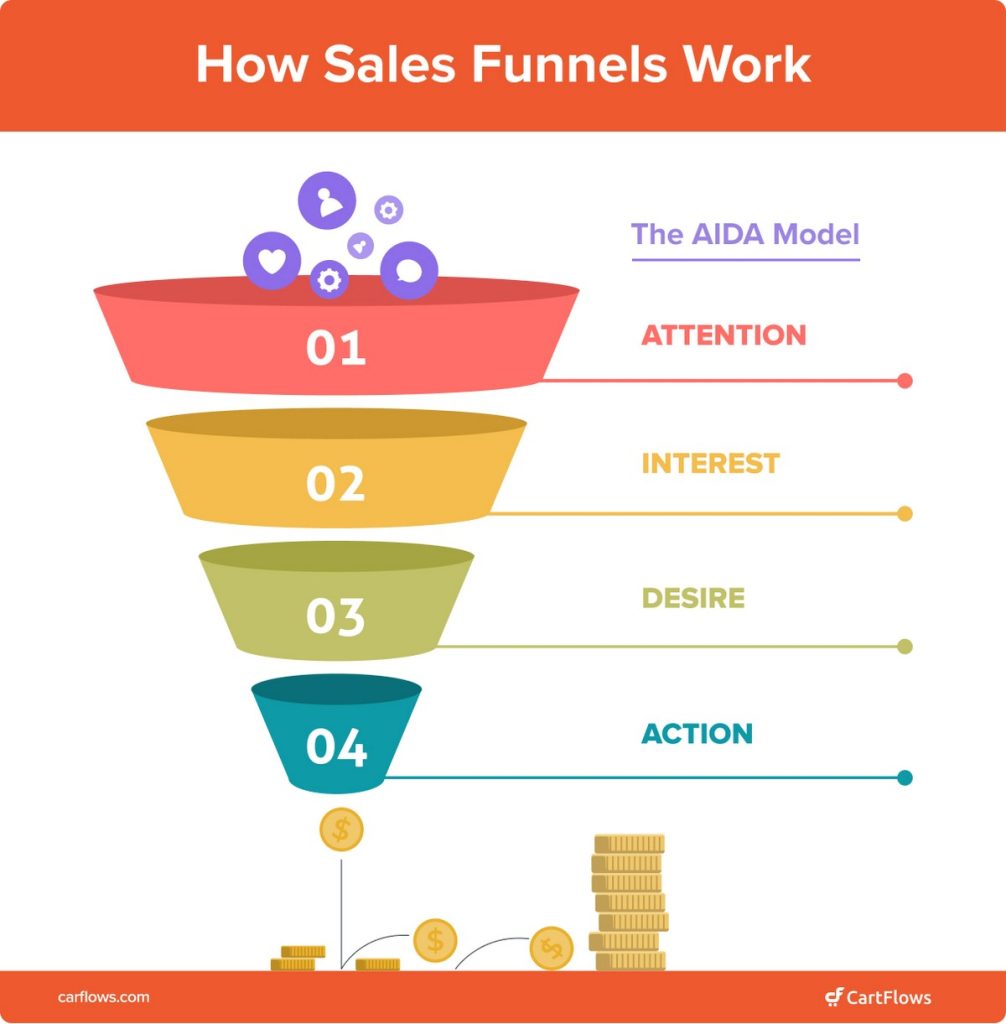
It’s called a funnel because it starts wide like a funnel – catching the attention of many – and narrows down to those who are truly ready to buy.
Here’s how it works:
1. Awareness: Catching Their Attention
This is where people first hear about your brand. Maybe they’re scrolling Instagram and see your ad showing glowing reviews of your best-selling organic face serum.
Working with a marketing agency for your meta ads can help you craft these attention-grabbing campaigns with precise audience targeting and creative optimization to boost visibility and engagement.
Or they stumble upon your blog explaining the benefits of chemical-free skincare.
Your goal here is simple: grab their attention.
What this could look like:
- A catchy Facebook ad offering “10 Tips for Glowing Skin Naturally” with a free guide.
- A blog post comparing chemical-laden skincare with the benefits of organic alternatives.
- A viral social media post sharing before-and-after photos from happy customers.
2. Interest: Sparking Curiosity
Now they’re intrigued. They click the ad or visit your website to explore your product range.
Maybe they follow your Instagram for skincare tips. At this point, they’re deciding if your brand is worth their time.
Your job is to keep them interested and build trust.
What this could look like:
- A behind-the-scenes video showing how your organic products are made.
- Testimonials and routines from real customers who love your products.
- A popup on your site offering 10% off the first order after joining your email list.
- An interactive skin-type quiz created with a Quiz Maker online quiz tool to help visitors find the right products for their needs.
This is also the stage where brands can benefit from affiliate marketing software, enabling influencers and marketing partners to promote their products efficiently. By integrating affiliate tracking into your funnel often with the support of a SaaS marketing agency, you expand your audience reach and drive highly qualified traffic through trusted referrals.
3. Desire: Making Them Want It
At this stage, people are seriously considering buying. They’ve compared your products with competitors and are deciding which one feels right.
Your mission? Make your product irresistible.
What this could look like:
- Featuring glowing reviews like, “My redness disappeared in two weeks!”
- A limited-time deal: “Buy 2 Organic Serums, Get 1 Free – Today Only!”
- A detailed product page highlighting how your serum’s natural ingredients work wonders for sensitive skin.
4. Action: Closing the Deal
Finally, they’re ready to buy. They add your serum to their cart and complete the checkout.
This is where you focus on making the process easy and leaving a positive impression.
Your goal? Seal the deal and build loyalty.
What this could look like:
- A smooth checkout with clear instructions and multiple payment options.
- A personalized thank you email with tips on getting the best results from the product.
- A loyalty program that rewards them for coming back: “Earn points for every purchase!”
Now you’ve seen how much effort goes into building an effective sales funnel, would you want to risk all that time and money on something that might not work?
That’s exactly why funnel hacking is such a game-changer. Let’s explore the key benefits it offers!
Sales Funnels Are Everywhere
You’ve probably seen hundreds of funnels without even realizing it. Some of them may even have been created with CartFlows!
Think about those ads you see on social media: a 50% discount on a favorite outfit or a ‘buy one, get one free’ deal on kitchen gadgets.
Those ads are designed to catch your attention and pull you into the first stage of a funnel – the awareness stage.
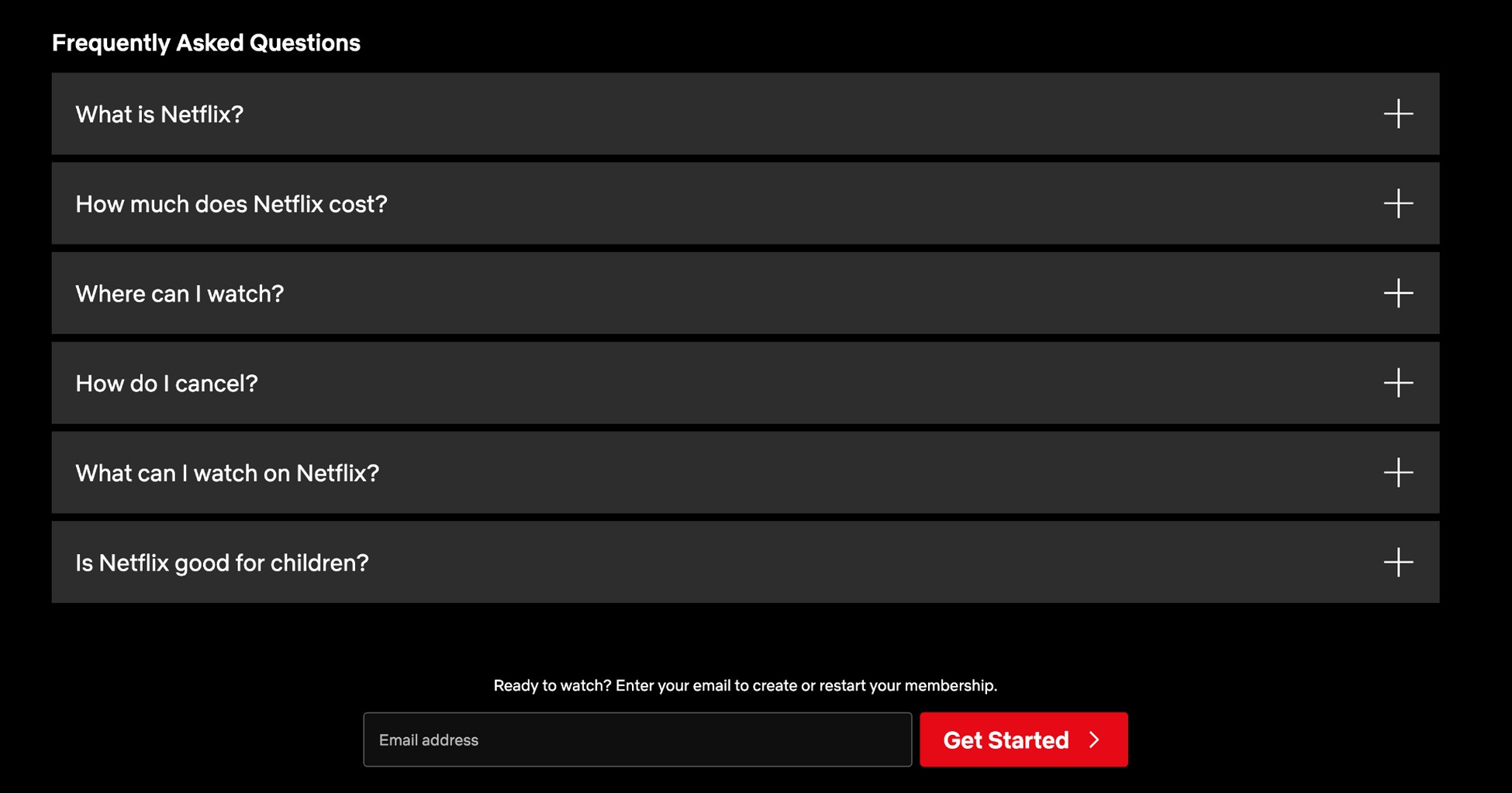
Take Netflix for example. With over 300 million subscribers, they’ve nailed the sales funnel game.
When you click on their ad, you land on a clean, simple page that gives you just the information you need – no distractions.
And if you have questions? They’ve got an FAQ section right below to answer anything you might wonder about, making it easy for you to decide.
It’s all designed to keep you moving forward.
And there are countless other examples – Apple TV, Samsung, and so many more.
Benefits of Funnel Hacking
Before learning how to hack a sales funnel, let’s quickly explore the benefits:
- Start making sales sooner: Proven strategies help you see results without months of trial and error.
- Save time and cut costs: Focus on what’s already working instead of wasting resources on guesswork.
- Learn what works: Study successful businesses to uncover strategies that resonate with your audience.
- Reduce risks: Avoid failed campaigns by following approaches that are already delivering results.
- Stay competitive: Keep up with industry leaders by adapting their best practices to your business.
- Find hidden opportunities: Identify gaps in competitors’ strategies and use them to stand out.
Let’s now get to the heart of the matter, learning to hack a funnel!
Funnel Hacking Step by Step
Funnel hacking can feel like a lot, but breaking it into manageable steps makes it easier.
Here’s how to get started:
Step 1: List Your Competitors
Start by identifying thriving businesses in your industry – the ones already connecting with the audience you want to reach.
Don’t limit yourself to direct competitors; consider brands offering similar products or services, whether they’re premium options or budget-friendly alternatives.
A quick Google search is a great starting point.
Type in keywords related to your product or service – like “organic moisturizer” or “best kitchen knives” – and note which companies dominate the search results.
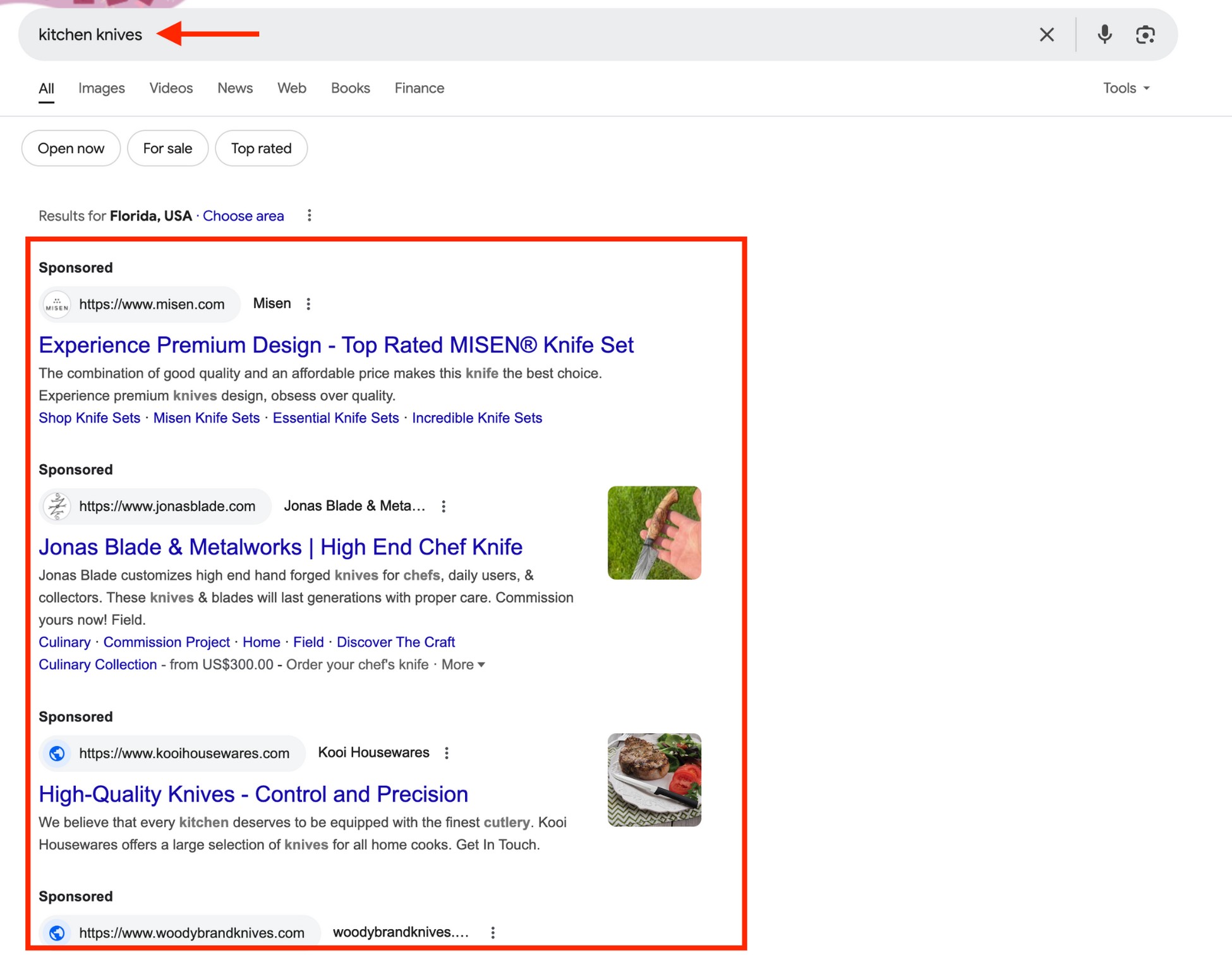
Pay extra attention to those running ads or appearing on the first page. If they’re investing in visibility, it’s a good sign they’re doing something right.
Step 2: Study Their Strategy
Now you’ve listed your competitors, it’s time to see what makes them tick.
Start by checking out their websites, ads, and social media accounts.
Look at how they attract attention and engage their audience, especially at the top of the funnel.
One handy tool is the Facebook Ad Library. It lets you search for competitors to see if they’re running Facebook or Instagram ads.
It provides a glimpse of ad copy, visuals, and targeting strategies.
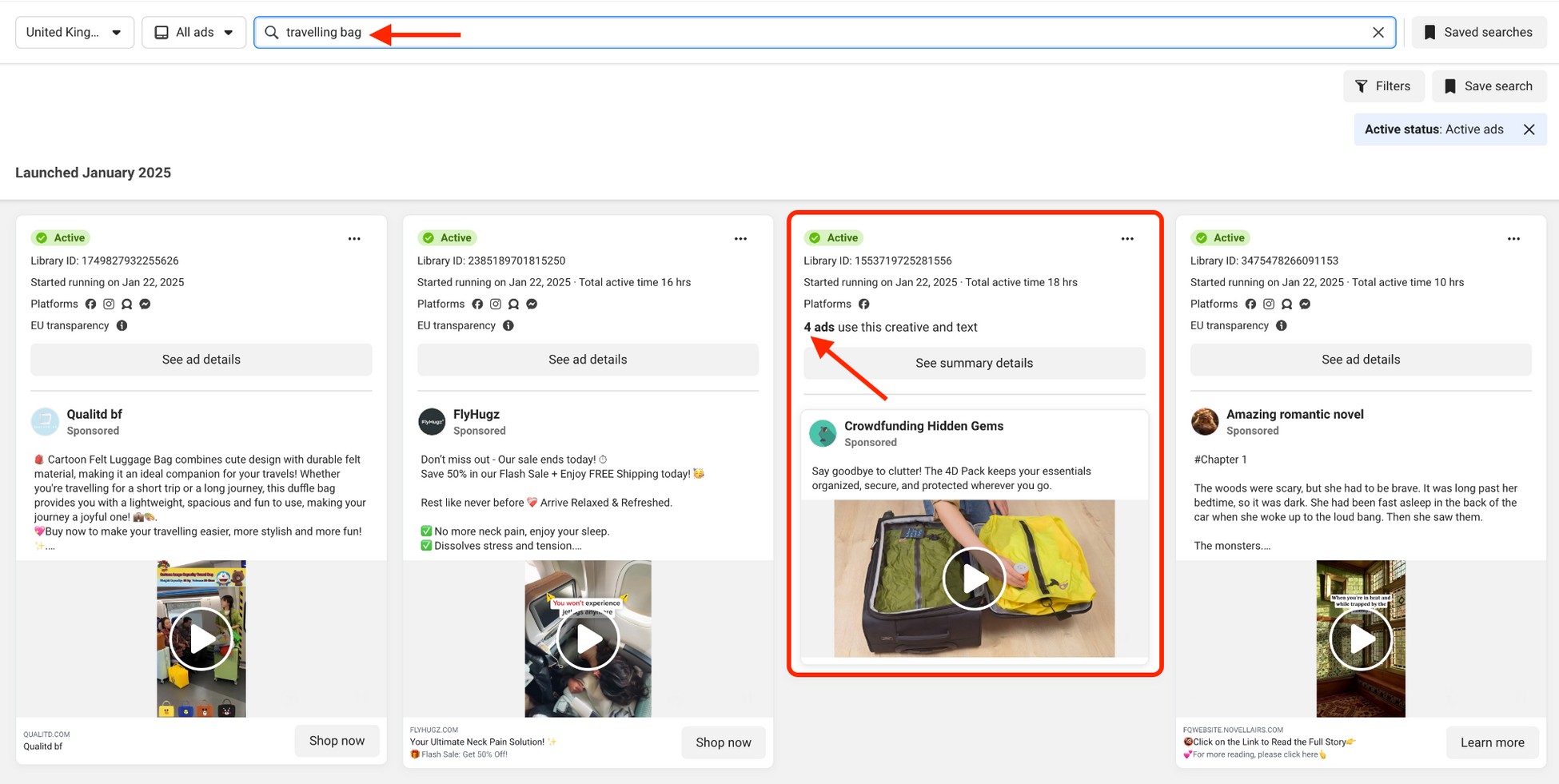
Don’t stop there – browse reviews on platforms like Yelp or TrustPilot.
Reviews are gold when it comes to understanding what customers love (or don’t) about your competitors.
Spotting their strengths and weaknesses can help you find areas to improve or gaps to fill.
By the end of this step, you’ll have a clear idea of what’s working for them and how you can adapt those strategies to your own business.
Step 3: Find Their Traffic Sources
It’s time to dig deeper to know where competitors are getting their traffic.
This will help you understand how they’re attracting visitors and which channels are working best for them. Many marketers also use a residential proxy network when collecting large-scale competitor and SERP data to avoid request blocking and improve accuracy.
This is where tools like Ahrefs come in handy.
It’s an all-in-one SEO tool that helps you analyze competitors, uncover keyword opportunities, perform keyword tracking, and measure overall website performance.
Here’s how to use it:
- Copy the link of a competitor’s website.
- Paste it into the Ahrefs search field.
- Study the insights, including:
- Referring domains (who’s linking to them).
- Keywords they rank for and use in ads.
- Their best-performing backlinks.
- Domain and URL authority scores.
These details can show you what’s driving their success. Are they killing it with search engine traffic? Using paid ads effectively? Leveraging strong backlinks?
There are more tools
Ahrefs isn’t the only tool you can use – there are others that bring different insights to the table.
For example, SpyFu is perfect if you want to dig into your competitors’ PPC campaigns or find their top-performing keywords for ads.
And then there’s BuzzSumo, which helps you see what content is making waves on social media.
Pairing these tools with Ahrefs gives you a well-rounded view of how your competitors are driving traffic and engaging their audience.
Step 4: Go Deep Into Their Funnels
Once you’ve gathered all the basics, it’s time to analyze your competitors’ funnels in detail.
This is where you figure out how they engage with their audience and turn visitors into customers.
Start With Landing Pages
Landing pages are the gateway to any funnel.
Take a close look at these critical elements, all of which are essential components of high-quality custom website design and development:
- Design and layout: Is it simple, clear, and easy to navigate? Do the calls to action (CTAs) stand out?
- Headlines and subheadings: Are they grabbing attention and delivering the main message?
- Structure and flow: Are there clear next steps like free trials or upsells? How smooth is the process?
- Visuals: Are the images and videos adding value or just filling space?
- Trust signals: Look for testimonials, certifications, or partnerships that build credibility.
- Offers: Are they using limited time discounts, freebies, or bonuses to attract customers?
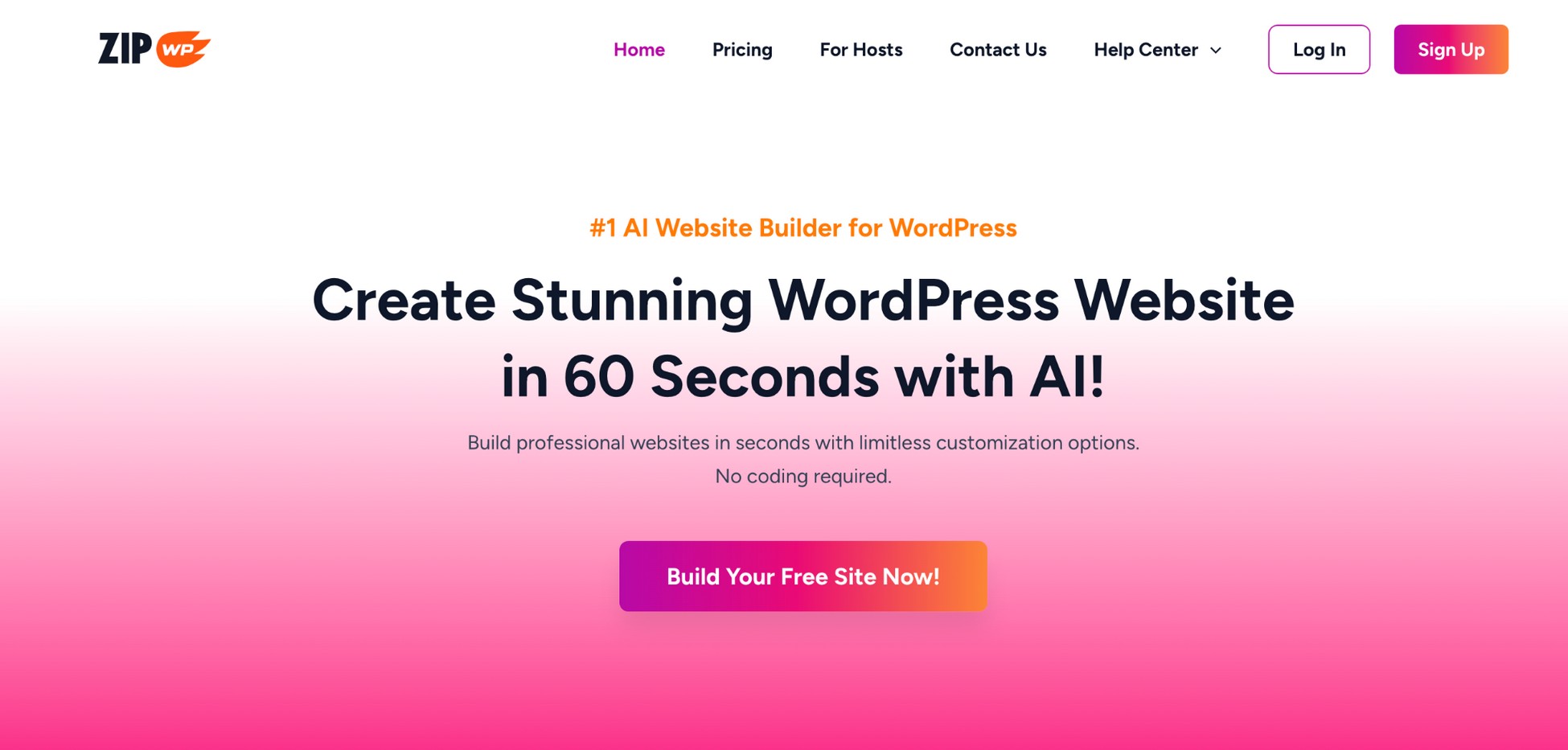
Take ZipWP AI Website Builder for example. Their landing page is pretty straightforward, yet includes most of those points above.
Sign Up for Emails
Subscribe to your competitors’ newsletters and see how they engage with their audience.
Watch out for:
- Promo codes, upsells, or special offers.
- Abandoned cart emails (try leaving items in your cart to test this).
- Personalized messaging.
Analyze how often they email, what kind of content they send, and how it fits into their overall strategy.
Buy Their Product (if possible)
If your budget allows, purchase from your competitor. This hands-on experience can give you unique insights into their funnel.
You can assess:
- Checkout process: Was it smooth? Did they use upsells or cross-sells?
- Post-purchase emails: Did they thank you, offer tips, or upsell more products?
- Product delivery: Was it well-packaged? Did it include extras like coupons or thank you notes?
- Product quality: Does it live up to the promise?
This isn’t about copying – it’s about understanding their customer journey and figuring out what you can do better.
Check Their Customer Support
Customer support is the part of the funnel that builds loyalty.
- Ask a question: Reach out to the support team and note how they respond – speed, tone, and helpfulness.
- Monitor social channels: See how they handle questions and complaints publicly.
- Test returns/refunds: If you purchased their product, try returning it to assess how they handle it.
Don’t forget to explore their FAQ pages or tutorials too. Check if they are helpful and easy to understand.
With a little work, you’ll uncover strategies, strengths, and weaknesses that can help you build a more effective funnel for your own business.
Tools To Build Your Sales Funnel
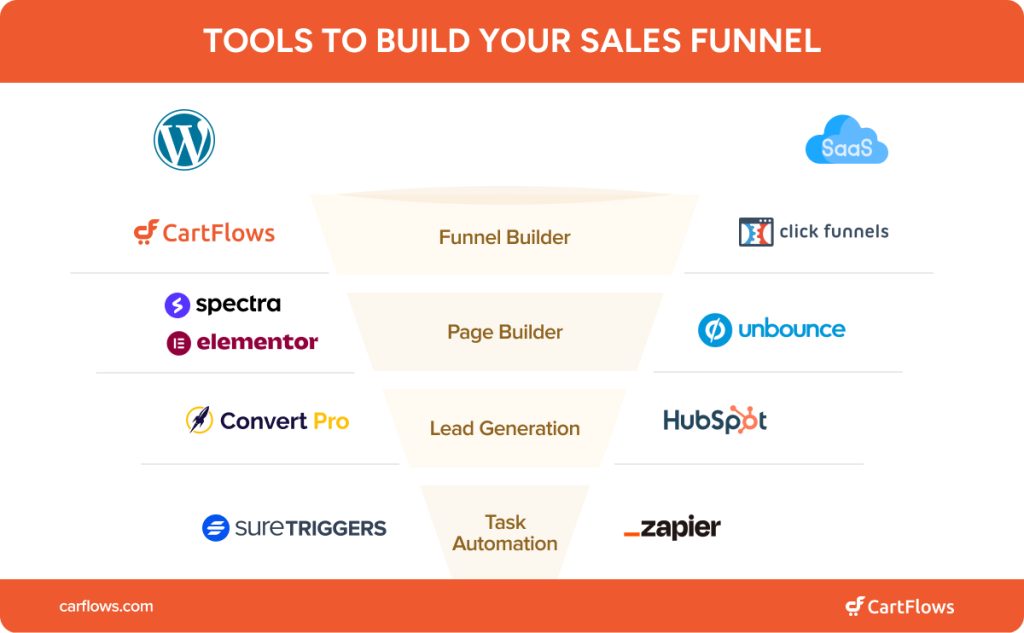
Building a successful sales funnel is much easier when you have the right tools at your disposal.
Here’re some of the best tools for WordPress and SaaS platforms to help you build your funnels.
| Tools | WordPress | SaaS |
|---|---|---|
| Funnel Builder | CartFlows | ClickFunnels |
| Page Builder | Spectra/Elementor | Unbounce |
| Lead Generation | Convert Pro | HubSpot |
| Task Automation | OttoKit | Zapier |
WordPress Tools
If you’re using WordPress, these tools are must-haves for creating and optimizing your funnel:
- CartFlows: Makes building funnels simple with pre-built templates, one-click upsells, and cart abandonment recovery. It’s ideal if you want to create a professional funnel without coding.
- Spectra/Elementor: Page builders let you design stunning, responsive pages with drag and drop ease. Whether it’s a landing page or a checkout page, you can effortlessly customize it to match your brand.
- Convert Pro: Need to capture more leads? This tool helps with exit-intent popups, multi-step forms, and integrations with your email platforms to keep leads organized.
- OttoKit: Automate your workflows, like syncing leads to CRMs or triggering upsell emails, so you can focus on growing your business without being slowed down by manual tasks.
SaaS Tools
For non-WordPress setups, these SaaS tools offer powerful solutions:
- ClickFunnels: An all-in-one platform to build, track, and optimize your funnels. It’s packed with templates and upsell features to help you maximize revenue.
- Unbounce: Specializes in creating high-converting landing pages with A/B testing and optimization tools. Great if you’re focused on getting results from paid traffic.
- Zapier: Connects your apps to automate repetitive tasks like syncing leads or sending notifications when someone makes a purchase.
- Windsor.ai: Automatically extracts data from various popular marketing, e-commerce, and CRM platforms and streams it to BI tools or data warehouses for in-depth analytics through ELT connectors.
- Creatio: An agentic sales CRM platform that helps teams build end-to-end automated funnels with AI-driven lead management, no-code workflow design, and real-time insights to accelerate the path from prospect to revenue.
Other useful tools include a URL shortener to track and optimize your links, making it easier to measure clicks, engagement, and conversions across your campaigns.
These tools don’t just make funnel building easier – they also help you optimize every step of the customer journey.
Funnel Hacking: What’s the Winning Formula?
We discussed it earlier that funnel hacking is about learning and adapting – not copying.
It’s your chance to take what works, make it better, and tailor it to your audience.
Here’s how to do it right:
Learn, Don’t Copy
Taking direct elements like headlines, content, or images from your competitors doesn’t just harm your credibility – it makes you blend in. Although, A better approach is to use AI image generation to create unique visuals that reflect your brand and set you apart.
Instead:
- Write headlines and content that reflect your unique voice and values.
- Use visuals and designs that are authentic to your brand.
- Innovate on what works to stand out instead of blending in.
Copying may seem quick, but originality helps you stand out.
Adapt and Innovate
The beauty of funnel hacking lies in modeling strategies, not mimicking them.
Here’s what you can do:
- Study the structure: How do they guide users through awareness, interest, and action?
- Analyze the design: Take cues from layouts or colors that work but keep your branding distinct.
- Understand the flow: Look at how they move customers seamlessly through their funnel.
Think of it as learning from their playbook, but rewriting it for your own gain.
Avoid These Funnel Hacking Pitfalls
Here are a few common mistakes to avoid:
- Blind replication: Copying isn’t learning – it’s falling behind.
- Ignoring your audience: Focus on what your audience needs, not just what competitors are doing.
- Overcomplicating your funnel: Keep it clean and simple – less is more.
Find Your Secret Sauce
The real magic comes from adding your own creativity and focusing on solving problems for your audience.
With continuous refinement and thoughtful inspiration, you’ll create a funnel that drives results and feels 100% yours.
Conclusion
Funnel hacking isn’t just a strategy – it’s a smart way to grow your business faster by learning from what already works.
By studying the successes (and missteps) of your competitors, you gain a head start in crafting sales funnels that aren’t just effective – they’re tailored to your audience and built for results.
Remember, it’s not about copying; it’s about adapting and innovating.
To bring your ideas to life, tools like CartFlows and ClickFunnels make all the difference.
CartFlows is perfect for WordPress users, offering pre-built templates, seamless setups, and powerful conversion features.
If you’re looking for an all-in-one SaaS solution, ClickFunnels simplifies funnel design, optimization, and tracking so you can focus on growing your business.
Whether you’re just starting or refining your strategy, you have everything you need to create a funnel that truly works.
What type of funnel are you planning to build? Share your thoughts in the comments below!